Home Cleaners in London

Home Cleaners London provides domestic cleaning focused on the practical tasks households need most often: regular upkeep, deeper reset cleans and one-off support when a property needs extra attention. The service is centred on occupied homes, with cleaning plans shaped around the rooms, finishes and routines in the property rather than a rigid template. That means you can request help for routine maintenance, a fuller clean after a busy period, or targeted work on specific areas that need more care.
We clean kitchens, bathrooms, living spaces, bedrooms and other household areas with attention to surfaces, touch points and the finishes that collect everyday dust and marks. Where a client needs a more thorough domestic clean, we can also prioritise details such as skirting, fixtures, appliance exteriors and hard-to-reach edges. The aim is a tidy, workable result that leaves the home feeling more settled without turning the process into an overcomplicated package.
To arrange a quotation, start by thinking about the rooms you want covered, how often you would like cleaning and whether any parts of the property need extra focus. You can then compare the scope with the options below and decide what suits your household best. If you are ready, please request a quote and send the key details through the contact page.
Regular domestic cleaning for lived-in homes
Regular domestic cleaning is the core option for many households, especially when the goal is to stay on top of day-to-day mess before it builds up. This kind of work usually centres on surfaces that gather dust, floors that need vacuuming or mopping, bathrooms that need refreshing and kitchens that need careful wiping. It is a practical choice for busy homes where maintaining standards matters more than occasional dramatic resets. We adapt the cleaning routine to the rooms present and the order in which they are best handled.
In a regular clean, small details can make a large difference. A careful cleaner will usually work from top to bottom, giving attention to reachable ledges, switches, handles, taps and other high-touch points that show grime quickly. The right scope depends on the property and the priorities you set, which is why it is useful to identify rooms that need the most consistent care. If you would like to discuss the arrangement, send a brief outline of the home and the frequency you have in mind.
What this service usually covers
Regular domestic cleaning often includes dusting, vacuuming, mopping, wiping visible surfaces, refreshing bathrooms and clearing everyday dirt from kitchens. Some households prefer a lighter recurring visit, while others want a fuller routine that includes extra attention to doors, frames or internal glass. Supported extras depend on the property and the schedule agreed, but the overall purpose stays the same: keep the home comfortable and presentable without waiting for a heavy build-up. It is a sensible choice when you want consistency rather than a single dramatic intervention.
Deep cleaning for a more detailed reset

Deep cleaning is suited to homes that need more than routine maintenance. It usually involves a slower, more detailed approach to built-up grime, neglected corners and places that are not always covered in a standard clean. Kitchens and bathrooms often receive the most attention because these rooms collect grease, limescale, soap residue and fingerprints. In other areas, the work may focus on edge details, fixtures, accessible shelving and the kinds of marks that build up over time.
A deep clean can be useful when a property has not been professionally cleaned for a while, when a tenancy is changing or when you simply want to restore a more thorough finish throughout the home. Because the work takes longer and often needs a more precise plan, it is helpful to identify where the effort should go first. If you are comparing options, keep your request simple and specific: which rooms need the deepest work, which surfaces matter most and whether there are any delicate finishes that need careful handling.
For many customers, the value of deep cleaning lies in the detail. That may mean removing residue around sinks, wiping cabinet fronts, cleaning around fittings, or paying attention to areas that regular cleaning leaves behind. The exact tasks depend on the condition of the property, but the intention is always to leave the home noticeably more refreshed. When you are ready to plan the work, ask for a quotation that reflects the level of detail you want rather than a generic one-size-fits-all approach.
Kitchen and bathroom focused cleaning
Kitchens and bathrooms deserve their own approach because they collect different forms of dirt. Kitchens often involve food splashes, grease on cooking surfaces, fingerprints on appliances and crumbs in corners. Bathrooms bring limescale, soap film, water marks and general moisture-related build-up. A focused clean can therefore be more effective than treating both rooms as ordinary spaces. We work carefully around common fixtures and surfaces, matching the method to the material and the amount of build-up present.
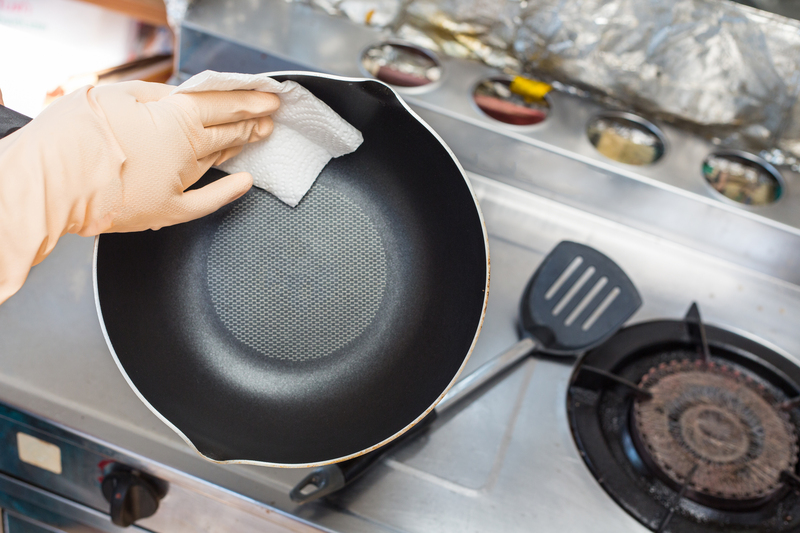
In kitchens, the useful tasks are usually the ones that restore hygiene and appearance at the same time. That can include wiping counters, cleaning sinks, refreshing appliance exteriors, dealing with hob marks and removing dirt from splash-prone areas. In bathrooms, a thorough clean normally prioritises basins, taps, toilets, showers, baths and tiles where residue is most visible. Care around finishes matters, especially when dealing with polished metal, glass or sealed surfaces that can be marked by harsh treatment.
- Surfaces wiped and cleared of visible dirt
- Fixtures and fittings cleaned with suitable products
- Floor areas vacuumed or mopped as needed
- High-use touch points given extra attention
One-off cleaning when the home needs extra attention
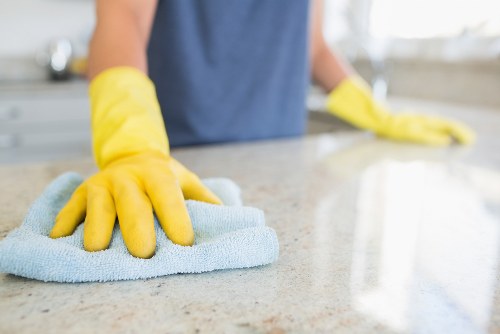
One-off cleaning is a flexible option for households that do not need a recurring arrangement but do need a proper reset. It can suit a home before visitors arrive, after a particularly busy period or simply when the usual routine has slipped. The benefit of a one-off visit is that the work can be concentrated where it matters most, rather than spread thinly across a recurring schedule. It is often the best choice when you want the property to feel clean again without signing up for ongoing visits.
This type of cleaning can be tailored to a list of priorities. Some customers want a broad refresh across the main living areas, while others need focused help with a few rooms that have become overwhelming. It is useful to separate what must be done from what would be nice to include, as that helps shape the quotation and keeps the work realistic. If you are preparing an enquiry, make a short note of the rooms and the main issues so the scope is easy to understand.
One-off cleaning may include dust removal, surface wiping, floor care and a more detailed pass through areas that are often skipped during routine upkeep. Because the aim is often to restore order quickly, the cleaner can focus on the most visible or heavily used spaces first. That makes the service practical for households that need a meaningful improvement without wanting a full deep-clean specification every time.
Specialist cleaning for carpets, upholstery and hard floors
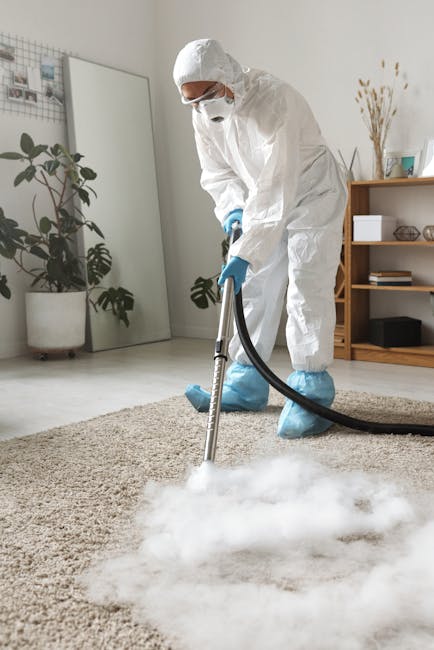
Some homes need more than general cleaning, especially where fabrics and floor finishes have their own maintenance needs. Carpet, upholstery and hard-floor cleaning each call for different methods, because the wrong product or process can affect the finish. We therefore treat these as separate specialist tasks rather than treating every surface in the same way. This helps protect the material while improving its appearance and making the overall cleaning plan more useful for the property.
Carpet and rug cleaning are typically about removing soil from fibres, refreshing the surface and helping the room feel cleaner underfoot. Upholstery cleaning is more sensitive, as sofas and chairs can vary widely in fabric, weave and stain behaviour. Hard-floor cleaning, by contrast, often focuses on lifting grime from tiles, laminate, sealed wood or similar surfaces without leaving residue behind. The right method depends on the material, the level of use and the marks present.
Choosing the right specialist task
It is sensible to request a specialist clean when one part of the home is holding back the rest of the room. A sofa that looks tired, a rug that has lost colour or a hard floor that no longer looks bright can change the feel of the whole space. Rather than guessing at the right treatment, describe the item or surface and its condition. That allows the quotation to reflect the actual task and helps set expectations about the result.
About London
London is a large and layered capital shaped by centuries of growth, and its character comes from the way historic districts, civic institutions and dense everyday neighbourhoods sit alongside one another. The River Thames remains one of the city’s defining features, curving through central and eastern areas and linking long-established river crossings with modern development. Many of the best-known landmarks are clustered close to the river and the older core, including the Palace of Westminster, the Tower of London and the City’s historic streets, but London’s identity is not limited to those famous places. It also includes broad parkland, residential terraces, market streets, canals, museums, theatres and squares that change from one district to the next. Hyde Park, Regent’s Park and Hampstead Heath show the scale and variety of green space available within the city, while the South Bank, Covent Garden and Westminster each express different layers of public life, architecture and movement. The Underground, originally opened in the nineteenth century and now one of the world’s best-known transport systems, has shaped how London is understood and navigated, connecting areas that developed at very different times. Architecture across the city ranges from medieval survivals and Georgian terraces to Victorian civic buildings, post-war estates and contemporary towers, creating a landscape where old and new are often visible in the same view. Cultural life is equally varied, with major galleries, theatres, libraries, markets and concert venues coexisting with local high streets and neighbourhood pubs. London’s borough structure adds another layer of distinction, since places that share a London address can feel completely different in scale, tone and history. That variety is part of what makes the city so recognisable: it is one place, but it contains many distinct urban experiences within it.
Some homes benefit from combining domestic cleaning with a more detailed focus on the rooms that are hardest to keep under control. If your property needs both routine upkeep and a targeted refresh, we can shape the plan accordingly. The best way to proceed is to decide whether the work is regular, one-off or specialist, then note the rooms or items that matter most. From there, a clear quotation can be prepared without unnecessary complication.
If you are comparing domestic cleaning options, the easiest next step is to ask for a quotation and outline the home in straightforward terms. A short description of the rooms, surfaces and level of detail you want is usually enough to start. For more information about the service range, view our pricing and quotes page or contact us here.
After-builders and end-of-tenancy cleaning

After-builders cleaning is designed for homes that have recently had renovation, repair or improvement work. Building dust behaves differently from ordinary household dirt, settling on ledges, fittings, shelves and floors in a fine layer that can travel from one room to another. The task is therefore about more than simple wiping: it requires methodical attention to residue, disturbed surfaces and the awkward places where dust collects after trades work has finished. End-of-tenancy cleaning is similarly detailed but is usually shaped around handing a property over in a presentable condition.
These services are useful when a home needs a careful finish before people move back in, move out or start living normally again. The right plan depends on the state of the rooms and whether the aim is to remove light dusting or a heavier post-work build-up. In both cases, it helps to identify any particularly affected rooms before booking. A clear scope saves time and makes the quotation easier to align with the actual condition of the property.
Because the surfaces involved can vary so much after builders’ work, the cleaning approach must stay adaptable. Painted finishes, windows, skirting, fixtures and floors may all need separate treatment. End-of-tenancy cleaning may also require attention to appliances, bathrooms and kitchens in a way that supports a neat handover. The most useful quotation is one that reflects the state of the home and the areas that need the most work, rather than assuming an average property.
How we plan a domestic clean
Good cleaning starts with a sensible plan. Homes vary in layout, surface type and use, so it is better to think in terms of priorities rather than trying to force every property into the same checklist. A kitchen used for regular cooking needs different attention from a guest bedroom, and a family bathroom may need more detail than a cloakroom. Planning the work properly helps keep the clean efficient and ensures the most important spaces receive the right level of care.
When preparing an enquiry, it is useful to provide enough detail for the quote to be meaningful but not so much that it becomes hard to follow. The most helpful information usually includes the number of rooms, the type of cleaning you want, and whether there are any surfaces that need extra caution. If possible, mention any special items, awkward access points or areas with noticeable build-up. That kind of information supports a more accurate assessment without turning the request into a long form.
Simple information that helps with a quotation
The most useful quotations usually come from clear descriptions. A short note about room count, cleaning frequency, special surfaces and the overall condition of the property is often enough to begin. It also helps to say whether you want a recurring domestic clean, a one-off reset or a more specialist approach. Once the brief is clear, the service can be matched to the job more closely and the plan can focus on what matters most.
Window, oven and upholstery care for specific household needs

Some jobs sit outside a general domestic clean but still play an important role in keeping a home in good order. Window cleaning, oven cleaning and upholstery cleaning are all examples of targeted work that can improve specific parts of a property without changing the wider cleaning routine. These tasks often require their own tools and methods because the surfaces involved respond differently to ordinary dusting or wiping. Treating them separately helps preserve the item while improving how the room looks and feels.
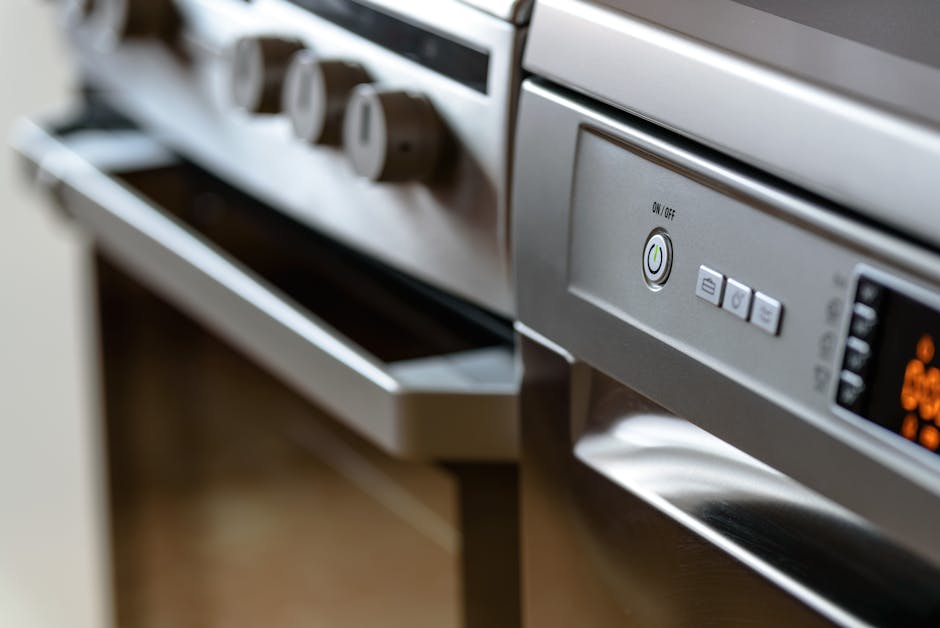
Window cleaning can be useful when glass, frames or accessible ledges have gathered dirt that distorts natural light. Oven cleaning is often requested when grease and burnt residue make the appliance harder to use or less pleasant to look at. Upholstery cleaning can refresh sofas, chairs and other fabric-covered items that show signs of everyday use. If you are unsure which of these tasks is appropriate, it is enough to describe the item and the issue. We can then match the work to the surface rather than assuming a generic treatment.
These targeted services can sit alongside broader house cleaning or be requested on their own. That flexibility makes it easier to deal with the areas that most affect comfort and presentation. If you would like to compare options, please request a quotation and note which specific items or rooms need attention. Clear details lead to a better fitting plan and a more useful result for the home.
Domestic cleaning options to compare before you book
When choosing a domestic cleaning service, the key question is not simply how much cleaning is needed, but what kind of work will make the home feel properly cared for. A routine visit may be enough for many households, while others need a deeper reset or a specialist clean for a particular room or item. It is worth comparing the options carefully so the work reflects the condition of the property instead of relying on a generic package that may leave gaps.
To help make that decision, consider the following points.
• Is the main need regular upkeep, a one-off clean or a deeper reset?
• Are there specific rooms, finishes or fabrics that need special care?
• Would specialist tasks such as carpets, ovens, windows or upholstery help the home feel complete?
• Do you need a tidy maintenance clean or a more detailed finish across several areas?
Once those questions are clear, it becomes much easier to request a quotation that suits your home rather than trying to adjust a standard package afterwards. If you already know the broad service you want, the next step is simple: send the details and ask for a quote. For a direct enquiry, use the contact page to start the conversation.