Sofa Cleaning in London
If you are looking for Sofa Cleaning in London, you are probably dealing with one of those everyday problems that can quickly make a home or workplace feel less fresh: drink spills on the corner sofa, pet hair embedded in the fabric, muddy marks after a rainy commute, or general dullness from daily use. In a city as busy and varied as London, sofas work hard. They are used in family homes, rented flats, serviced apartments, offices, reception areas, co-working spaces, and customer lounges. Over time, dust, body oils, crumbs, allergens, and accidental stains settle deep into the upholstery, and normal vacuuming only does so much.
A professional sofa cleaning service can restore the appearance, feel, and hygiene of your seating without the stress of moving heavy furniture or trying to guess which product is safe for the fabric. Whether you live in a Victorian terrace in Clapham, a modern apartment in Canary Wharf, a townhouse in Islington, or manage a commercial space in the West End, a local upholstery cleaning team understands the practical realities of working in London properties: tight stairwells, lift access, restricted parking, busy schedules, and a wide range of materials from delicate linen blends to hard-wearing synthetic fabrics.
Choosing a local service also means choosing convenience. You want a team that can arrive prepared, assess the upholstery properly, explain what is included, and carry out the work with minimal disruption. If your sofa has become a little tired, stained, or odour-prone, the right cleaning method can make a big difference. Fresh upholstery can change the whole feel of a room.
Why London homes and businesses need specialist sofa care

London properties present a mix of upholstery challenges that are not always straightforward. In smaller flats, sofas are often the main seating area, so they receive heavy daily use. In family homes, the sofa becomes a place for everything from snacks and homework to pets and late-night film watching. In commercial environments, seating can collect dust, drink marks, traffic dirt, and oils from constant public use. This is why many people search for sofa cleaning London services that are tailored to local conditions rather than a one-size-fits-all approach.
Different parts of the city also bring different conditions. Central London homes may have limited storage space, narrow hallways, and very little room for bulky furniture to be moved around. Inner London terraces and converted buildings may have awkward access, older fabrics, or mixed upholstery types in the same room. Outer boroughs often have larger family sofas, corner units, and modular seating that need careful attention to avoid over-wetting or damage. A local team is usually better placed to plan around these realities.
There is also the simple fact that London life is busy. Many customers need flexible appointment windows, efficient on-site work, and minimal interruption to the household or business. A properly organised upholstery cleaning visit can save time while delivering a much deeper clean than standard home products. That is especially helpful if you want your sofa to look presentable before guests arrive, tenants move in, or clients visit.
What professional sofa cleaning usually includes

Every sofa cleaning service should start with a careful inspection. Fabric type, colourfastness, age, construction, and visible wear all matter. Not every sofa should be cleaned in the same way. A trained cleaner will usually identify the upholstery material first and then select the most suitable method. This is important for protecting natural fibres, blended fabrics, leather, and delicate finishes.
In many cases, the service may include vacuuming, pre-treatment of stains, agitation of problem areas, hot water extraction or low-moisture cleaning where appropriate, and careful drying advice. Some fabrics may benefit from dry-cleaning-style approaches, while others are better suited to deeper aqueous cleaning. A good service should always be based on the condition of the furniture rather than a rushed assumption.
You can also expect attention to the small details that matter in real homes and businesses: armrests, seat cushions, back cushions, seams, creases, hidden dust traps, and the underside of cushions where dirt often collects. For households with pets or children, removing odours and embedded debris can be just as important as removing visible marks. The aim is not only a better-looking sofa, but a cleaner and more comfortable one to use every day.
Common items that can be cleaned
- Two-seater and three-seater sofas
- Corner sofas and sectional units
- Armchairs and accent chairs
- Fabric sofa beds
- Office seating and reception sofas
- Dining benches and banquettes
- Loose cushions and upholstered footstools
How the sofa cleaning process works

Most customers want to know what actually happens when a cleaner arrives. The process should be simple, clear, and designed to protect your furniture and flooring. First comes the inspection, where the cleaner looks at the upholstery type, stain locations, general condition, and any concerns such as previous cleaning attempts or fabric damage. This step matters because it helps determine whether the sofa needs a deep clean, stain treatment, odour removal, or a gentler method.
After inspection, the cleaner typically carries out a thorough dry vacuum to lift dust, lint, crumbs, and loose debris. This helps the cleaning solution work more effectively. Targeted pre-treatment may be applied to visible marks or high-traffic areas such as seat cushions and armrests. Once the upholstery has been prepared, the main cleaning stage begins using the most suitable method for the fabric type.
Finally, the cleaner may perform a post-clean inspection, check for remaining spots, and advise on drying times and aftercare. In London, where homes can vary from airy garden flats to compact upper-floor apartments, drying advice is especially useful. If ventilation is limited or you are trying to minimise downtime in a commercial setting, the cleaner should explain how long the sofa is likely to remain damp and how to speed up the process safely.
Typical steps you can expect
- Initial fabric and stain assessment
- Vacuuming and dry soil removal
- Pre-treatment of marks and traffic areas
- Appropriate upholstery cleaning method
- Rinse or residue reduction where needed
- Drying guidance and final check
Good communication is part of the service. If a sofa has delicate seams, older stuffing, or a stain that may not fully disappear in one treatment, you should be told that before work begins.
Fabric types, upholstery materials, and why they matter

One of the biggest differences between average and effective sofa care is understanding the material. A fabric that responds well to one method might shrink, mark, or lose texture if treated the wrong way. That is why a local upholstery specialist should be able to explain the cleaning approach in plain language and choose products that suit the item rather than forcing the same process on everything.
Common upholstery materials in London include cotton blends, polyester, microfibre, wool mixes, linen blends, velvet, chenille, and leather. Each has its own cleaning needs. For example, velvet and some natural fibres need a more delicate touch, while synthetic fabrics can often handle a deeper clean. Leather requires its own care routine and should not be treated like fabric upholstery. If you are unsure what your sofa is made from, a professional can usually identify it during the inspection.
Material awareness also helps with stain treatment. Coffee, tea, wine, grease, ink, makeup, and pet-related spots may all need different solutions. A blanket approach can make some stains worse or leave residue behind. That is why proper assessment is more valuable than simply using a strong product.
Why fabric knowledge protects your furniture
- Helps prevent shrinkage and colour loss
- Reduces the chance of water marks
- Allows safer stain treatment
- Supports better drying times
- Extends the life of the upholstery
Benefits of choosing a local London upholstery cleaner
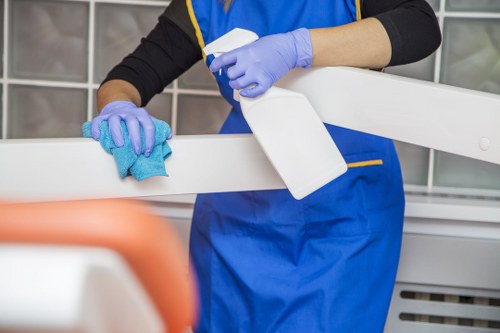
When you hire a local team for sofa cleaning in London, the practical benefits are immediate. A nearby company is more likely to understand the pace of the city, the type of properties being serviced, and the access problems that can affect scheduling. They may be used to carrying equipment up several flights of stairs in mansion blocks, working around controlled parking zones, or arranging visits for busy households and businesses with tight time windows.
Local knowledge also helps with service planning. For example, someone cleaning sofas in a narrow Notting Hill terrace, a new-build in Stratford, or a family home in Wimbledon may face different access and setup needs. A team that works in London regularly is better prepared for those differences and can bring the right equipment and expectations from the start. That usually means less hassle for the customer and a smoother appointment overall.
There is also reassurance in dealing with a company that serves the area regularly. You know you are not dealing with a distant service that treats each property the same. A local provider can offer a more personal experience, clearer scheduling, and a better understanding of what real customers need. If you want convenience, responsiveness, and practical expertise, a London-based sofa cleaning service makes sense.
Reasons customers choose local service
- Better understanding of London property access
- Faster and more flexible appointments
- Suitable for homes, landlords, and businesses
- Knowledge of common upholstery issues in busy urban settings
- Less disruption to your day
Local property types and cleaning challenges across London
London is not one type of housing market; it is a mixture of property styles, age groups, and usage patterns. That matters when it comes to upholstery care. A sofa in a period conversion may sit beside fragile flooring or older decorative finishes that need careful protection. In a modern apartment, the challenge may be lift access, tight corners, or limited drying space. In a busy family home, the issue may be repeated spills, pet hair, and general wear from everyday living.
Commercial customers also need the work completed in a way that fits around opening hours and client traffic. Offices, lounges, waiting areas, hospitality settings, and shared workspaces often need discreet, efficient cleaning with as little interruption as possible. The cleaner may need to work around furniture layouts, reception schedules, or limited access windows. This is one reason it is useful to choose a team that regularly handles both residential and commercial upholstery cleaning.
Even within the same borough, the needs can vary a great deal. A flat in Hackney might have a compact sofa bed that needs stain treatment after frequent guest use, while a larger home in Richmond may have multiple upholstered pieces that all need refreshing together. Experienced local cleaners are used to this variety and can adapt the work accordingly.
Examples of where the service is useful
- Flats and maisonettes
- Terraced and semi-detached homes
- Converted period buildings
- New-build apartments
- Offices and meeting rooms
- Hotels, guest lounges, and hospitality areas
What to do before your sofa cleaning appointment
Preparing a little in advance helps the service go smoothly and can improve the final result. You do not need to do any heavy lifting or extensive cleaning before the cleaner arrives, but a few simple steps will make the appointment more efficient. Clearing the area around the sofa, removing fragile items, and pointing out specific stains can all be helpful. If you have pets, it is best to keep them in another room during the work so the sofa can be cleaned without distractions.
If the sofa has loose cushions, throws, or small accessories, it helps to move them aside first. You can also let the cleaner know about any special concerns such as faded areas, damaged stitching, previous cleaning products used, or stains that have been treated before. This information helps avoid surprises and allows the cleaner to make sensible decisions on site.
It is also sensible to think about drying space. If you live in a busy flat or need the sofa ready again as quickly as possible, ask about expected drying times in advance. Good airflow is usually helpful, and opening windows where practical can support the process. Preparation does not have to be complicated; it simply helps the service run better.
Simple preparation checklist
- Clear small items from around the sofa
- Remove cushions and throws if advised
- Point out stains, wear, or previous damage
- Keep pets and children safely away during cleaning
- Allow space for equipment and access to water if needed
- Plan for drying time after the service
Pricing factors to consider before booking
Customers often ask what affects the cost of sofa cleaning in London. While exact prices vary from one job to another, several practical factors usually influence the final quote. The size of the sofa is an obvious one: a small two-seater takes less time and product than a large corner unit or a multi-piece modular suite. Fabric type matters too, because delicate materials or specialised cleaning methods may require additional care and time.
The condition of the sofa is another important factor. Light maintenance cleaning is different from deep stain removal or odour treatment. If there are heavy traffic marks, pet-related issues, or old spills that have settled into the fibres, the work may be more involved. Access can also affect the job, especially in London properties where carrying equipment upstairs, managing parking restrictions, or working in a tight entrance area may require extra planning.
Commercial jobs may be priced differently from domestic visits because of size, usage, and timing requirements. The best approach is to request a clear quote based on your sofa type, upholstery material, location, and cleaning needs. That way you know what is being included before booking.
Common pricing influences
- Size and number of seating pieces
- Fabric or leather type
- Stain level and odour concerns
- Property access and parking conditions
- Residential or commercial setup
- Extra treatment for cushions or matching items
Why sofa cleaning is worth doing regularly
Sofas collect more than visible dirt. They trap dust, allergens, skin flakes, food debris, and everyday grime that can build up slowly over time. Even when the upholstery still looks acceptable from a distance, the fibres can be holding a surprising amount of embedded dirt. Regular cleaning helps improve the freshness of the room and supports a more pleasant environment for the people using the space.
For families, regular sofa cleaning can be especially helpful if children snack on the seating area or pets jump up with muddy paws. For landlords and tenants, clean upholstery can make a property feel more cared for at move-in, move-out, or between lets. For businesses, tidy seating supports a better first impression in client-facing spaces. A cleaner sofa can also help reduce lingering smells from food, smoke, or general daily use.
It is worth remembering that maintaining upholstery is usually easier than trying to revive it after long neglect. A routine clean at sensible intervals can help extend the life of your furniture and reduce the chance that stains become permanent. In a city where furniture gets used hard and fast, that can make a real difference.
Signs your sofa may need attention
- Visible marks or dull patches
- Noticeable odours
- Flattened or greasy-looking armrests
- Pet hair stuck in the fibres
- Dust or crumbs that keep returning
- General tired or uneven appearance
Residential and commercial sofa cleaning across London
Not every customer is looking for the same outcome. A homeowner may want their lounge sofa cleaned before family visits or after a spill. A landlord may need upholstery refreshed between tenancies. A property manager may want shared seating treated in a short turnaround. A business may need reception furniture cleaned without affecting trading hours. A good London upholstery cleaning service should be able to support all of these needs.
In homes, the focus is often on comfort, hygiene, and appearance. In offices and commercial settings, consistency and efficiency become equally important. There may be a need to work quietly, protect surrounding fixtures, and complete the job with minimum disruption. This is where an experienced local team can really help, because the service can be adapted to the site rather than forcing the site to fit the service.
Whether the job is a single sofa in a flat or several pieces across a business property, the process should still be straightforward: inspect, clean, check, and advise. Customers should feel confident that their furniture is being handled with care and practical knowledge.
Suitable for
- Private homes
- Rental properties
- Student accommodation
- Estate-managed buildings
- Offices and boardrooms
- Hospitality and client-facing spaces
Areas covered in London
A local sofa cleaning service should be able to cover a broad range of London neighbourhoods and boroughs, as well as nearby areas where customers need practical upholstery care. This includes central districts, inner boroughs, and outer residential zones where customers still want the convenience of a professional visit. London’s layout means many people want help in places such as Kensington, Chelsea, Hammersmith, Ealing, Camden, Greenwich, Wimbledon, Stratford, Lewisham, Walthamstow, and surrounding communities.
The important thing is not just the place name, but the ability to work sensibly in that area. For example, some addresses may have permit parking, while others may require planning around loading spaces or timed access. Some buildings may have lifts, while others may involve stairs and narrow landings. A team used to working across the capital can prepare for these realities and reduce the chance of delays.
If you are outside the immediate centre but still within the wider London area, it is still worth making an enquiry. Many customers in surrounding neighbourhoods need the same kind of upholstery care and appreciate a service that travels to them rather than asking them to transport large furniture elsewhere. That convenience is one of the biggest reasons people choose local cleaning.
Frequently asked questions
How long does sofa cleaning take?
It depends on the size of the sofa, the fabric, and how heavily soiled it is. A compact sofa can be quicker to clean than a large corner suite, and drying time will vary depending on ventilation and cleaning method.
Can all stains be removed?
Not always. Many common marks can be improved significantly, but results depend on the stain type, how long it has been there, and whether previous products were used. A responsible cleaner should explain this clearly before starting.
Is sofa cleaning safe for pets and children?
When suitable products and methods are used correctly, cleaning can be carried out safely. It is still sensible to keep pets and children away from the work area until the upholstery is dry.
Do I need to move the sofa?
Usually not. In most cases, the cleaner works on the sofa in place. However, access around the furniture should be as clear as possible so the job can be done properly.
Can leather sofas be cleaned too?
Yes, but leather needs a different approach from fabric upholstery. It should be assessed separately and treated with products appropriate for leather care.
Will the sofa be very wet afterwards?
That depends on the method used and the upholstery type. A good cleaner will aim to use the least moisture necessary and explain the expected drying time before leaving.
How often should I book a clean?
That depends on usage. Busy family homes, pet owners, and commercial properties often benefit from more regular cleaning than lightly used furniture. It is best to judge by the level of traffic, spills, and visible wear.
What makes a local service more useful than a general one
When customers look for sofa cleaning in London, they are usually not just buying a cleaning process. They are buying peace of mind, convenience, and a service that understands the city’s practical realities. A local provider is more likely to offer helpful appointment planning, more accurate expectations, and cleaner results suited to the kind of furniture and property types found across London.
Local service also tends to feel more responsive. If you have a question about fabric care, drying, stain treatment, or access before the visit, you want clear answers from someone familiar with the work. If your property has unusual access or a commercial timetable, you want a team that can adapt rather than make the process more difficult. That is especially valuable in a city where time, space, and logistics often matter as much as the cleaning itself.
If your sofa is looking tired, marked, or less hygienic than you would like, there is no need to keep putting it off. Contact us today, request a free quote, or book your service now to arrange sofa cleaning that fits your London property and schedule.
Quick reasons to book
- Refresh the look and feel of your furniture
- Remove everyday dirt and trapped dust
- Tackle stains and odours with the right method
- Reduce hassle with a convenient local visit
- Support homes, landlords, and businesses across London