Fast carpet cleaning in E1 Whitechapel London
If you need fast carpet cleaning in E1 Whitechapel London, you are usually dealing with a very ordinary but urgent problem: a spill before guests arrive, a tenant checkout looming, a damp patch that just will not dry, or a carpet that somehow looks twice as tired as it did yesterday. In a busy part of London like E1, time matters. So does getting the job done properly, because a quick fix that leaves residue behind can make the carpet look worse a few days later. This guide walks you through how fast carpet cleaning works, when it makes sense, what to expect, and how to choose a service without overcomplicating things.
Along the way, you will find practical steps, a realistic comparison of methods, and a checklist you can actually use. If you are also planning broader cleaning work, it can help to look at related services such as deep cleaning or end of tenancy cleaning, because sometimes the carpet is only one part of the bigger picture. Let's face it, once one room is sorted, the rest of the place starts bothering you too.
Table of Contents
- Why fast carpet cleaning in E1 Whitechapel London matters
- How fast carpet cleaning works
- Key benefits and practical advantages
- Who this is for and when it makes sense
- Step-by-step guidance
- Expert tips for better results
- Common mistakes to avoid
- Tools, resources and recommendations
- Law, compliance, standards, or best practice
- Options, methods, or comparison table
- Case study or real-world example
- Practical checklist
- Conclusion
- Frequently asked questions
Why Fast carpet cleaning in E1 Whitechapel London Matters
Carpets do a lot of quiet work. They catch dust, grit, crumbs, pet hair, shoe soil, and the odd coffee spill that everyone swears was "just water". In a neighbourhood like Whitechapel, where flats, shared homes, offices, and short-let properties can turn over quickly, stains and odours tend to become visible faster than people expect. A fast response can stop a small issue turning into a deeper fibre problem.
Speed matters for three straightforward reasons. First, fresh stains are easier to lift than old ones. Second, moisture left sitting too long can encourage musty smells and longer drying times. Third, if the carpet is in a rental or business space, presentation affects trust. A clean floor sets the tone, whether you are welcoming a new tenant, a client, or just your own family on a Friday evening.
There is also a practical London angle. In an area where people often juggle work, travel, and tight schedules, the best cleaning solution is usually the one that fits around the day rather than shutting it down. That is why a fast carpet cleaning service is not just about urgency; it is about reducing disruption while still leaving the carpet properly cleaned.
Expert summary: Fast carpet cleaning is most effective when the cleaner uses the right method for the fibre and the soil level, not simply the quickest machine available. Speed should support quality, not replace it.
How Fast carpet cleaning in E1 Whitechapel London Works
Fast carpet cleaning usually means a streamlined process designed to assess, treat, clean, and dry the carpet in as little time as is reasonable. That does not always mean a rushed clean. In fact, the quickest jobs are often the ones that follow a sensible sequence.
1. Initial inspection
A good cleaner starts by checking the carpet type, pile condition, visible stains, and any risk points such as loose dye, heavy wear, or previous cleaning residue. Wool, wool blends, and synthetic fibres all behave differently. That tiny bit of inspection saves a lot of trouble later.
2. Dry soil removal
Loose grit and dust are removed first, usually with strong vacuuming. This step sounds basic, but it is one of the most important. If you skip it, the cleaning solution can turn dry dirt into muddy slurry. Not ideal. Bit of a mess, actually.
3. Spot treatment
Stains are pre-treated with a product suited to the spill type. Food marks, drink stains, greasy patches, and general traffic soil all need different handling. A reputable cleaner will avoid using one mystery spray for everything.
4. Main cleaning method
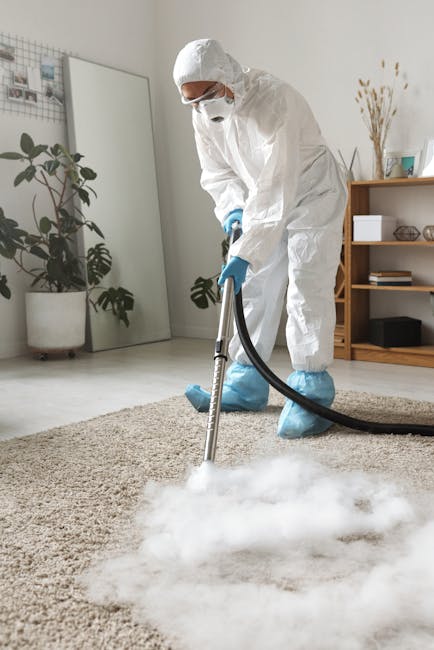
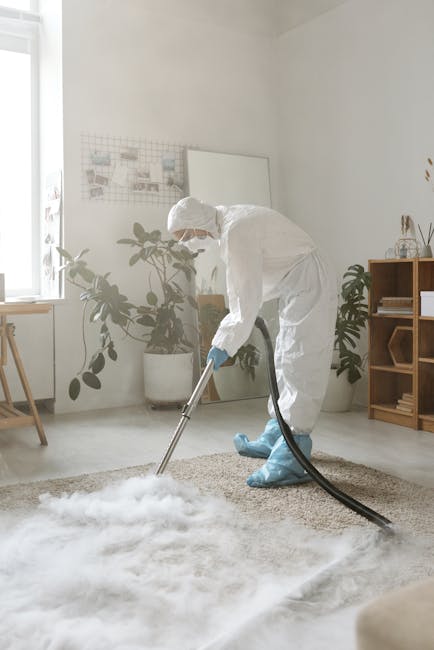
Depending on the carpet and the time available, the cleaner may use hot water extraction, low-moisture cleaning, or a targeted fast-dry process. The goal is to lift soil without overwetting the backing or underlay. In fast jobs, control matters more than brute force.
5. Rinsing and fibre grooming
Good practice usually includes clearing away residue and grooming the pile so it dries evenly. This helps the carpet look more uniform and can reduce visible lines once dry.
6. Drying support
Where appropriate, airflow is improved to help the carpet dry quickly. In a small Whitechapel flat, that might mean opening routes for ventilation and avoiding heavy foot traffic for a few hours. In an office or shared property, it may mean planning the clean when the room can be left alone.
If the job is part of a wider refresh, many customers pair carpet work with one-off cleaning or domestic cleaning so the whole space feels reset in one visit. That can be especially useful when you are short on time and even shorter on patience.
Key Benefits and Practical Advantages
The obvious benefit is speed. But there is more to it than that. Fast carpet cleaning can help restore appearance, improve smell, and make a room usable again much sooner. That matters when you cannot wait around for a carpet to dry all day.
- Less disruption: ideal for flats, busy homes, and small businesses where rooms need to return to use quickly.
- Better stain control: fresh marks are easier to treat before they settle into the fibres.
- Improved presentation: useful before inspections, viewings, meetings, or family visits.
- Odour reduction: especially helpful after pets, food spills, or general everyday build-up.
- Lower stress: the job gets handled without turning the day upside down.
- Potentially longer carpet life: regular, timely cleaning helps prevent abrasive dirt from grinding into the pile.
There is also a practical money angle. When a carpet is cleaned at the right time, you may avoid the sort of staining that turns into costly replacement later on. Nobody wants to be priced into buying a new carpet because of one old red wine mark that started as an innocent evening. Truth be told, that happens more often than people think.
For people comparing options, service information such as pricing and quotes can help set expectations early, while insurance and safety adds reassurance that the job is being handled professionally.
Who This Is For and When It Makes Sense
Fast carpet cleaning is not just for emergencies. It is useful in lots of ordinary situations where time is tight and the carpet needs attention now, not next week.
Homeowners and tenants
If you have children, pets, or simply a lot of day-to-day foot traffic, carpets can lose freshness quickly. A fast cleaning visit makes sense when there is a spill, a bad smell, or a room that looks tired despite regular hoovering.
Landlords and letting agents
Turnaround time is everything between tenancies. Carpets that look clean in photos but smell stale in person can cause awkward delays. A prompt clean can help a property feel ready without overdoing the turnaround.
Office managers and small businesses
Reception areas, meeting rooms, and shared spaces often need cleaning outside normal hours. Fast carpet cleaning allows the work to happen with minimal interruption, which is a relief when people are trying to work nearby and the kettle is already on for the third time.
Anyone dealing with a spill or odour
That includes coffee, tea, pet accidents, food splashes, tracked-in mud, or the occasional mystery mark that appears overnight. Not glamorous, but very real.
If the carpet issue is happening alongside sofa marks, rug dust, or upholstery wear, the problem may be broader than the floor alone. In that case, related services like sofa cleaning, rug cleaning, and upholstery cleaning can make a lot of sense together.
Step-by-Step Guidance
If you want the best outcome from fast carpet cleaning, the process before and after the clean matters nearly as much as the cleaning itself. Here is a straightforward way to approach it.
- Identify the problem clearly. Is it a stain, an odour, general dullness, or a high-traffic area?
- Check the carpet type if you can. Wool, synthetic, and blended carpets respond differently to moisture and cleaning agents.
- Move light furniture. Small items, baskets, and floor clutter slow the clean down more than people expect.
- Point out the worst spots. A cleaner can work faster when the priority areas are obvious from the start.
- Ask about drying expectations. Fast cleaning should come with realistic drying guidance, not vague promises.
- Keep the room ventilated. Even simple airflow can make a noticeable difference.
- Avoid walking on the carpet too soon. If you have to cross the room, use the lightest route possible.
- Check the result in daylight if you can. Evening lighting can hide residue or patchiness.
A small but useful detail: if you are dealing with a property checkout, schedule the carpet clean before the final sweep, not after. That saves you from moving dust back onto freshly cleaned fibres. Sounds obvious. People still do it.
Expert Tips for Better Results
From experience, the best fast carpet cleaning results usually come from simple decisions made early. No drama, no overthinking, just a bit of judgement.
- Treat spills quickly, but gently. Blot, don't scrub. Scrubbing pushes the stain deeper and can fuzz the pile.
- Use the right method for the mark. Grease, tannin stains, and muddy footprints do not behave the same way.
- Do not soak the carpet. Overwetting slows drying and can leave backing issues or a persistent smell.
- Test delicate areas first. A corner or hidden section can reveal colour transfer or fibre sensitivity.
- Prioritise airflow after cleaning. Open windows where practical, and keep the room clear if possible.
- Ask for residue-aware cleaning. Leftover product can attract dirt faster, which defeats the point.
One practical habit worth keeping: vacuum regularly even between professional cleans. It sounds boring because it is boring. But it works. Dry grit is abrasive, and if you leave it sitting in the pile, every footstep pushes it a little deeper.
If you manage more than one property or workplace, it may also be sensible to review broader support from a cleaning company or scheduled cleaners so the carpets do not become a recurring emergency.
Common Mistakes to Avoid
Fast cleaning goes wrong when people try to rush the wrong things. That is the tricky bit. The aim is speed with control, not speed for its own sake.
- Using too much water. More water does not mean a better clean. It often means slower drying and higher risk of residue.
- Choosing the cheapest option without checking the method. A low price is only useful if the result is actually decent.
- Ignoring the carpet fibre. What works on synthetic carpet may be too aggressive for a more delicate material.
- Leaving stains to "see what happens". Time usually makes them harder to remove, not easier.
- Walking on the carpet too early. This can flatten the pile and re-soil the damp areas.
- Hiding problem spots from the cleaner. It is much better to be upfront about pet accidents, old spillages, or previous DIY attempts.
Another common slip is trying to "freshen up" a carpet with random household products before the cleaner arrives. Sometimes that mixes badly with professional treatment. Sometimes it just makes the stain spread. Not the best pre-game plan, really.
Tools, Resources and Recommendations
You do not need specialist equipment to prepare for a carpet clean, but a few practical tools help.
- Vacuum cleaner: removes loose dirt before the appointment and after the carpet is dry.
- White absorbent cloths: useful for blotting fresh spills without adding dye or lint.
- Fans or airflow support: helps reduce drying time if used safely and sensibly.
- Furniture sliders: can make it easier to move light items without dragging them.
- Notebook or phone notes: handy for listing stains, smells, or sensitive spots before the cleaner arrives.
From a service perspective, some pages are worth reviewing before booking. carpet cleaning explains the core service, while carpet cleaner and carpets cleaner can help you compare related options in a way that feels a bit less guessy.
You may also want to check the company's health and safety policy and recycling and sustainability approach if those matter to you. They should. At least a little.
Law, Compliance, Standards, or Best Practice
Carpet cleaning is not usually a heavily regulated service in the way some trades are, but that does not mean standards are optional. Good providers should still work carefully and transparently.
In the UK, the sensible best-practice expectations are straightforward: use products responsibly, follow manufacturer guidance where available, communicate any risks clearly, and avoid unsafe working practices in the property. If a cleaner is using water extraction or any electrical equipment, they should behave as though they are working around real people's homes and workplaces-because they are.
For customers, a few common-sense checks are worth making:
- Ask whether the business is insured.
- Ask how they handle delicate fibres or pre-existing damage.
- Ask what drying time to expect.
- Confirm whether any special products are being used on stains.
- Read the terms carefully if you are booking a time-sensitive job.
It is also sensible to look at the company's terms and conditions and payment and security information before confirming the job. That is not being cautious for the sake of it; it is just good housekeeping.
Options, Methods, or Comparison Table
Not every carpet needs the same approach. The method should match the problem, the fibre, and the amount of time available. Here is a simple comparison.
| Method | Best for | Drying time | Strengths | Watch-outs |
|---|---|---|---|---|
| Hot water extraction | General deep cleaning, embedded soil, busy homes | Moderate | Strong soil removal, thorough refresh | Can over-wet if not controlled well |
| Low-moisture cleaning | Quick turnaround, offices, light-to-moderate soil | Fast | Short downtime, convenient scheduling | May need careful stain handling |
| Spot treatment only | Fresh stains or small problem areas | Very fast | Targeted, minimal disruption | Not suitable for overall grime |
| Combined approach | Homes with mixed issues, such as stains plus odour | Varies | Balanced and flexible | Needs clear communication up front |
For many E1 customers, the combined approach works best. A living room may need a deeper clean, while a hallway only needs stain treatment and drying support. Practical, really. No need to treat every square metre like the same problem.
Case Study or Real-World Example
Imagine a two-bedroom flat in Whitechapel with a pale carpet in the living room and hallway. A tenant has a viewing the next afternoon, and there is a visible tea stain near the sofa plus a worn path through the hallway. The carpet is not ruined, but it does look tired. In that situation, a fast carpet clean makes sense because the aim is not perfection under a microscope. It is a cleaner, fresher room that photographs well and feels comfortable in person.
The cleaner would likely start by inspecting the carpet fibre, vacuuming thoroughly, treating the tea stain, and then using a moisture-controlled cleaning method on the high-traffic areas. If the room has decent airflow, it may be ready enough for light use later the same day. The key point is that the work targets the visible problem without dragging the whole evening into an all-day drying marathon.
I remember a very similar job where the client was convinced the hallway would need replacement. It did not. A careful clean, a little patience, and a sensible drying setup were enough. That relief on the client's face, honestly, is half the job.
Practical Checklist
Use this checklist before your appointment if you want the process to go smoothly.
- Identify the main problem: stain, smell, dullness, or heavy traffic wear.
- Clear small items and fragile objects from the room.
- Vacuum if possible before the cleaner arrives.
- Make a note of any old stains or previous DIY treatments.
- Check whether there are pets, children, or mobility issues that affect drying or access.
- Ask what drying time is realistic for your carpet type.
- Confirm whether the room needs to stay unused for a period after cleaning.
- Review pricing and payment details in advance.
- Keep windows, vents, or airflow options in mind for after the clean.
- Inspect the result once the carpet is dry enough to judge fairly.
This is also a good moment to think about related cleaning tasks. If the room has dust on the skirting, marks on the sofa, or muddy window ledges, you might want to combine the carpet clean with window cleaning or home cleaners for a more complete refresh.
Conclusion
Fast carpet cleaning in E1 Whitechapel London is about more than speed. Done well, it gives you a clean, usable carpet with minimal disruption, sensible drying time, and a result that feels genuinely fresh rather than just damp and hopeful. That balance matters. Especially in a busy part of London, where rooms need to get back to normal quickly and life does not pause for a stain.
If you remember only one thing, make it this: the best fast clean is the one that respects the carpet as much as the clock. Choose the right method, be clear about the problem, and expect honest guidance about drying and results. That is how you get something that lasts.
Get a free quote today and see how much you can save.
And if you are planning a broader refresh, it can be worth exploring a trusted cleaning company that can keep the whole process simple, calm, and surprisingly manageable.
Frequently Asked Questions
How fast can carpet cleaning in E1 Whitechapel London be done?
It depends on the carpet size, soil level, and method used. Small areas or light stain treatment can be fairly quick, while deeper cleaning takes longer and may need more drying time.
Will fast carpet cleaning leave the carpet wet for hours?
It should not leave the carpet soaked. A proper fast clean uses controlled moisture and sensible drying support. Drying time still varies, though, especially in cooler rooms or thicker carpets.
Is fast carpet cleaning suitable for wool carpets?
Often yes, but only with the right method and careful product choice. Wool carpets need a gentler approach than many synthetic fibres, so it is worth flagging the material before the job starts.
Can a fast clean remove old stains?
Sometimes, but not always. Fresh stains are easier. Older stains may have set into the fibres or backing, so the cleaner may improve them rather than remove them completely.
What should I do before the cleaner arrives?
Clear small items, vacuum if possible, and point out any problem areas. If you have pets or delicate furniture, mention those too. A little preparation saves time.
How do I know if I need carpet cleaning or a deeper clean?
If the carpet looks dull, smells stale, or has multiple worn areas, a deeper clean may be the better option. If you mainly have one or two marks and need quick turnaround, fast carpet cleaning is often enough.
Is same-day carpet cleaning always possible?
Not always, but it may be possible depending on availability and the size of the job. Very urgent requests are easier to accommodate when the cleaning is local and the scope is clear.
Will fast cleaning help with pet smells?
It can help, especially if the odour is on the surface or in a recent mark. Strong or long-standing smells may need more detailed treatment and sometimes a broader cleaning approach.
Should I move furniture before the appointment?
Move small and light items where you can. Large furniture is often handled case by case. It is best to ask in advance rather than guessing and pulling your back out for no reason.
What is the difference between carpet cleaning and upholstery cleaning?
Carpet cleaning focuses on floor fibres, while upholstery cleaning is for sofas, chairs, and other fabric-covered furniture. They often work well together in the same visit.
How often should carpets be cleaned in a busy E1 property?
That depends on foot traffic, pets, children, and whether the property is residential or commercial. Busy spaces usually benefit from regular maintenance rather than waiting until the carpet looks obviously dirty.
Can I walk on the carpet straight after cleaning?
Usually you should wait until the carpet is dry enough, or follow the cleaner's advice about limited traffic. Walking on it too soon can flatten the pile and re-soil the fibres.
How do I choose a reliable service?
Look for clear communication, sensible drying advice, transparent pricing, and evidence that the company takes safety seriously. If a provider explains the process plainly, that is often a very good sign.
When the carpet is fresh again, the whole room tends to feel lighter. A little less effort at the doorway, a little more calm in the space. And sometimes that is exactly what you need.